



After weight loss or passing age 30, many people notice their face looks gaunt and tired, naturally causing concern about their appearance. One solution favored by many aesthetic specialists is autologous fat grafting to restore facial fullness and youthfulness. So how much does full-face autologous fat grafting cost, and how long can the results last? Let’s explore these questions in detail below.
How Much Does Facial Fat Grafting Cost?
Currently, the cost of facial fat grafting typically ranges from 12-80 million VND per session. Pricing may vary across aesthetic clinics due to differences in equipment, fat purification quality, and grafting technique.
Several factors influencing the price:
- Volume of fat required: patients with multiple hollow areas or wishing to treat several zones need more fat, leading to a higher cost.
- Fat processing technology: modern techniques yield purer fat and higher graft survival rates, though at a higher cost than conventional methods.
- Physician skill and experience: experienced doctors performing meticulous, precise placement help ensure high fat retention and soft, natural contours, which generally commands a higher fee.
- Warranty and aftercare policy: some clinics offer warranty coverage or touch-up grafting if significant fat resorption occurs, which also affects total cost.
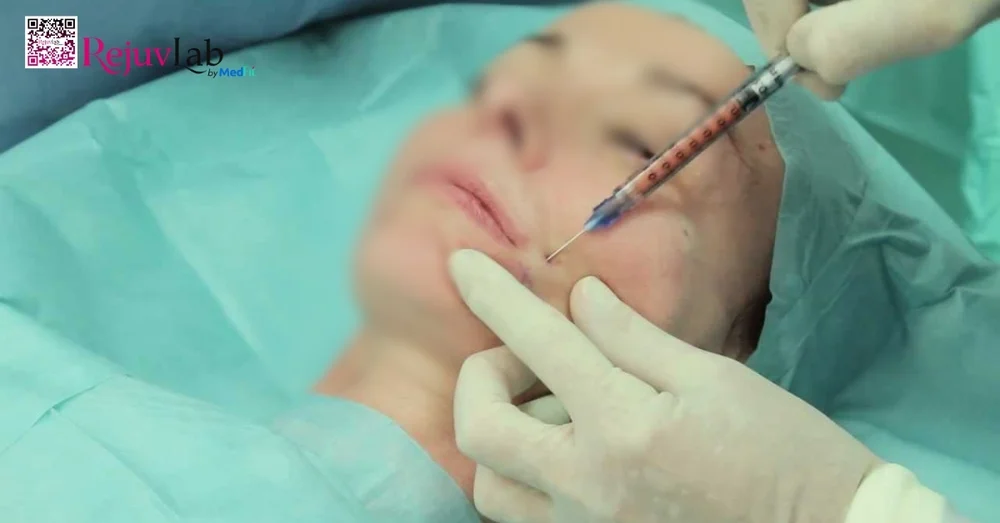
Below is the latest market price reference for common treatment areas:
| Treatment Area | Market Price |
| Autologous fat grafting single area (cheeks, forehead, temples, nasolabial folds, chin…) | 12-35 million VND/session |
| Autologous fat grafting for deep tear troughs | 20-40 million VND/session |
| Full-face autologous fat grafting | 25-80 million VND/session |
Efficacy and Fat Survival Rate After Facial Fat Grafting
Autologous fat grafting uses your body’s own fat to fill hollow areas, soften wrinkles, and create a more harmonious, youthful face. Notably, autologous fat contains stem cells and growth factors that not only add volume but also improve skin hydration, elasticity, and tone by stimulating natural collagen production.
According to a study published in the Journal of Clinical Medicine (MDPI, 2024), the long-term outcomes of fat grafting are often disappointing because the body can resorb a portion of the grafted fat. Many studies report that within one year, grafted fat volume can decrease by 30-70%, significantly diminishing the initial volumizing effect.
Even after completing a full course of 3-5 sessions averaging about 33 mL per session, the fat survival rate over a follow-up period from 6 months to nearly 4 years ranges widely from 15% up to a maximum of 83%, demonstrating unstable and unpredictable long-term efficacy.
Moreover, although the remaining fat integrates as natural tissue, it remains subject to aging and weight fluctuations. Therefore, fat grafting is not a permanent solution.
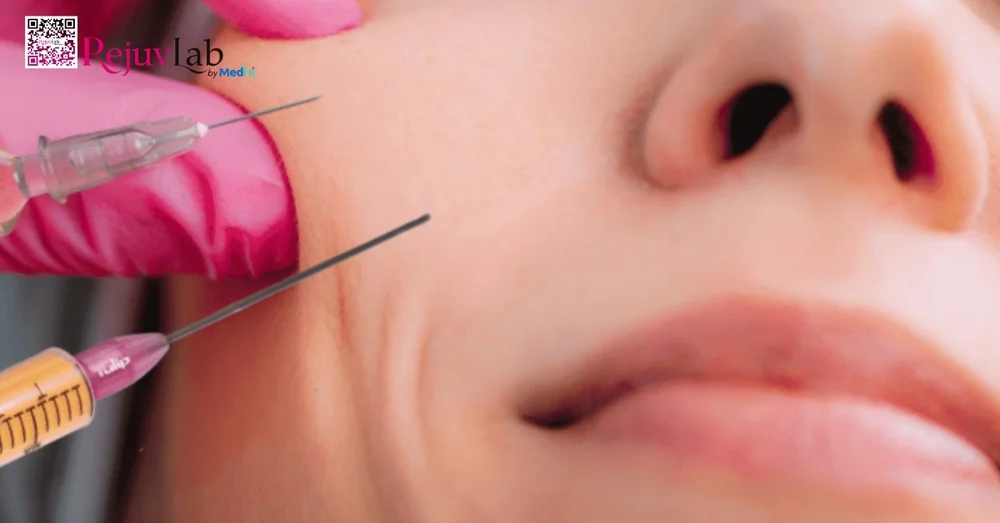
Should You Get Facial Fat Grafting? Pros and Cons of Autologous Fat Transfer
Facial facial liposuction offers natural-looking results and reduces the risk of allergic reactions. It is suitable for individuals with a thin face or deeply sunken cheeks and temples. However, not everyone is an ideal candidate for this procedure, so both its pros and cons should be carefully weighed before deciding.
Advantages of Facial Fat Grafting
- Facial fat grafting is safe because it uses your own body fat, offering high biocompatibility and minimal risk of rejection.
- It delivers noticeable volume restoration, correcting hollow cheeks, temples, and nasolabial folds for a softer, more youthful appearance.
- Stem cells and growth factors within the fat help improve skin quality, boosting hydration, elasticity, and even skin tone with natural results that show no obvious signs of cosmetic intervention.
Disadvantages of Facial Fat Grafting
- Fat survival rates are unpredictable, with 30-70% potentially resorbed within the first year, often requiring additional sessions to maintain desired results.
- Bruising, swelling, or facial puffiness commonly appear during the first few days and can last from several days to several weeks.
- The procedure is relatively complex as it requires liposuction from donor areas (abdomen, thighs…) prior to facial grafting, which may cause discomfort and carries a considerable cost.
- This method is unsuitable for very lean individuals who lack sufficient fat for harvesting.
In short, facial fat grafting is worth considering for those with clear hollowing, adequate excess fat, and a preference for natural volume restoration. However, to ensure safety, an in-person consultation with a qualified physician is essential to evaluate skin condition, facial structure, and available fat.
For unsuitable candidates or those preferring less invasive options, other advanced aesthetic technologies are worth considering.

More Effective and Convenient Alternatives to Facial Fat Grafting
While facial fat grafting restores volume and fills hollow cheeks, temples, and nasolabial folds, it is not right for everyone. For those without enough donor fat, hesitant about surgery, or seeking visible results with minimal invasiveness, several alternatives deliver comparable—or in some cases even more optimal—outcomes.
Filler injections
Fillers contain cross-linked hyaluronic acid (HA), an exogenous dermal volumizer typically injected directly into areas needing added fullness. It suits patients wanting noticeable improvement in sunken areas with immediate post-treatment results. Its advantages include minimal invasiveness, quick procedure time, and easy contour adjustment.
However, fillers do not stimulate tissue regeneration; results typically last 6-18 months and require touch-up injections to maintain. Careful dosing is necessary to avoid overfilling, which can look unnatural or cause later skin laxity.
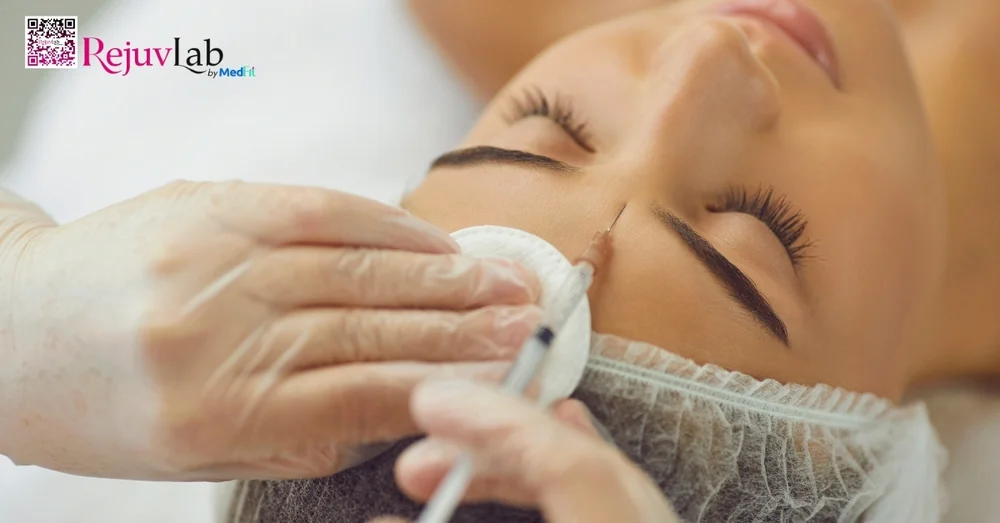
Biostimulator Injections and skinbooster
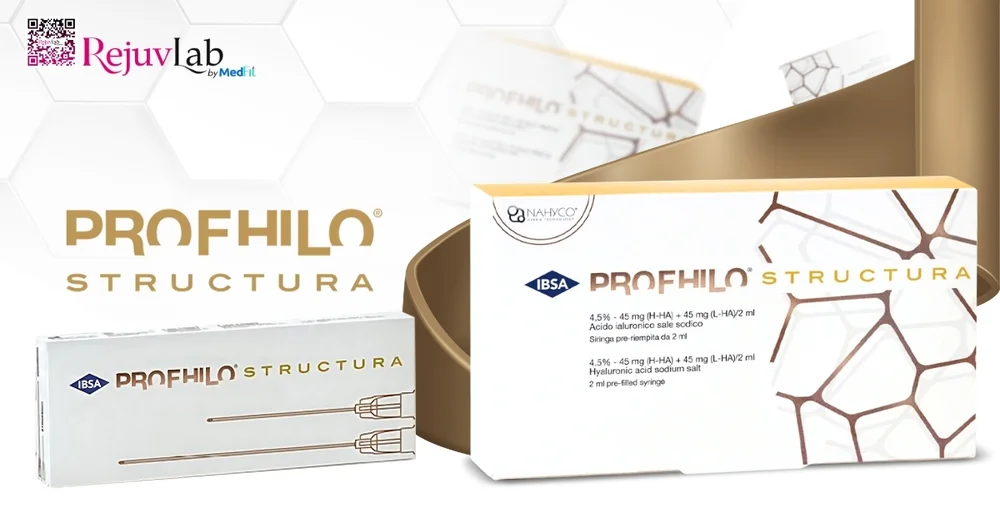
Injecting biostimulator or skinboosters with products such as Profhilo Structura, Gouri, Juvelook, and Lenisna works by stimulating endogenous collagen and elastin production. This suits mild hollowing and thin skin in patients who prefer to avoid synthetic fillers or surgery.
Certain products such as Profhilo Structura also help restore subcutaneous fat tissue, supporting long-lasting volume restoration and improved elasticity. Its standout benefit is natural results with progressive improvement in skin quality, though 2-3 sessions are needed for optimal outcomes.
Combining HIFU and RF Lifting Technologies
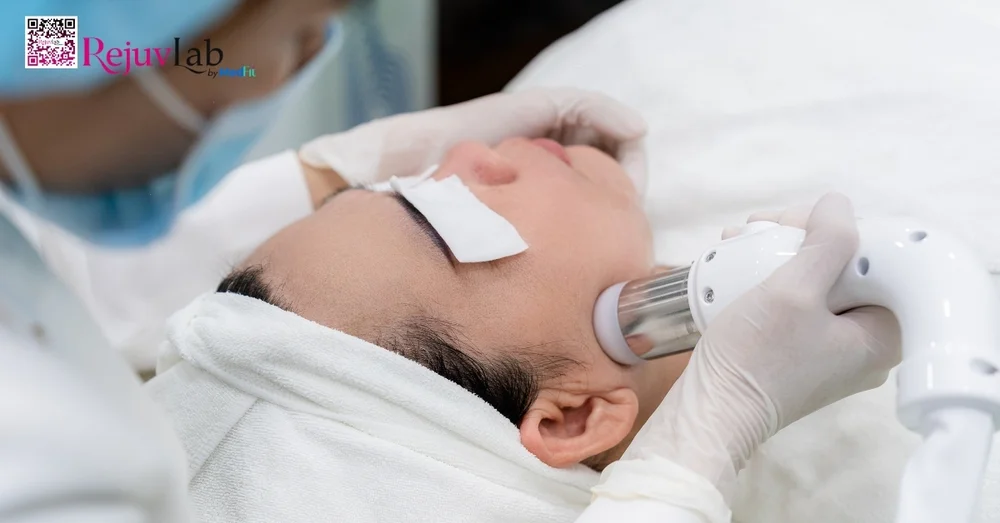
Technologies such as HIFU (High-Intensity Focused Ultrasound) or RF (radiofrequency) penetrate deep into the SMAS supportive layer and dermis to provide gentle lifting, tighten skin, and stimulate endogenous collagen synthesis.
Modern devices such as Thermage, Volnewmer, Forma, Ultherapy, CFU Èlife, and Ultraformer MPT are widely used to improve skin laxity and sagging without surgical intervention.
However, for areas already sunken due to deficient cushioning tissue or subcutaneous fat loss, high-energy treatments like HIFU or RF must be carefully evaluated. Without proper combination, these technologies can cause further volume loss and make the treated area appear more hollow. In such cases, lifting technologies should be paired with volume-restoring protocols like biostimulators or fillers for safe, long-lasting results.
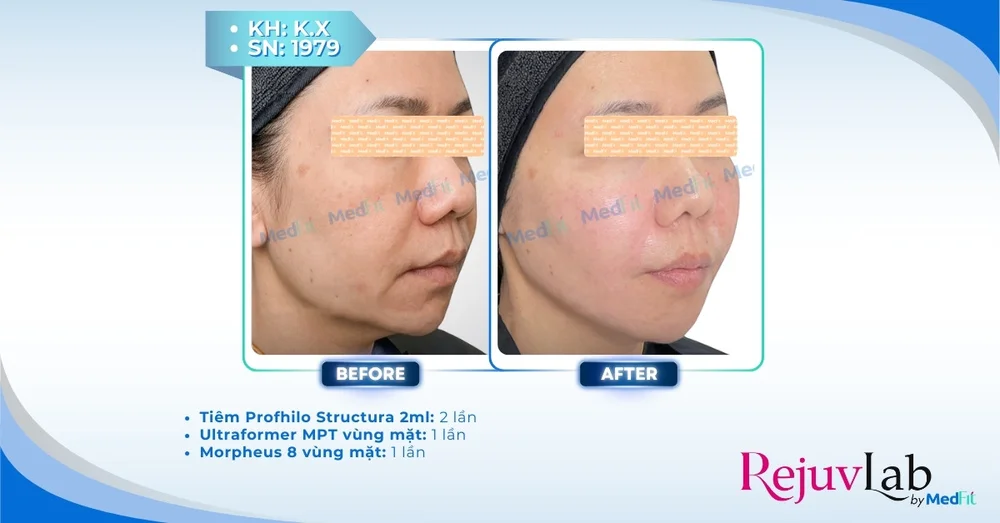
In summary, facial fat grafting costs around 12-80 million VND per treatment course, with a fat resorption rate of up to 70%, often requiring multiple repeat sessions. For those wishing to correct hollow cheeks or rejuvenate aging skin without surgery, biostimulators, skinboosters, fillers, or HIFU technologyand RF at RejuvLab offer effective alternatives to fat grafting while naturally lifting, restoring volume, and refining facial contours.
Book a consultation at RejuvLab for a personalized protocol designed by our doctors, helping you restore a fuller, radiant, and youthful look every day.
References
- Bogdan R-G, Helgiu A, Cimpean A-M, Ichim C, Todor SB, Iliescu-Glaja M, Bodea IC, Crainiceanu ZP. Assessing Fat Grafting in Breast Surgery: A Narrative Review of Evaluation Techniques. Journal of Clinical Medicine. 2024; 13(23):7209. https://doi.org/10.3390/jcm13237209