


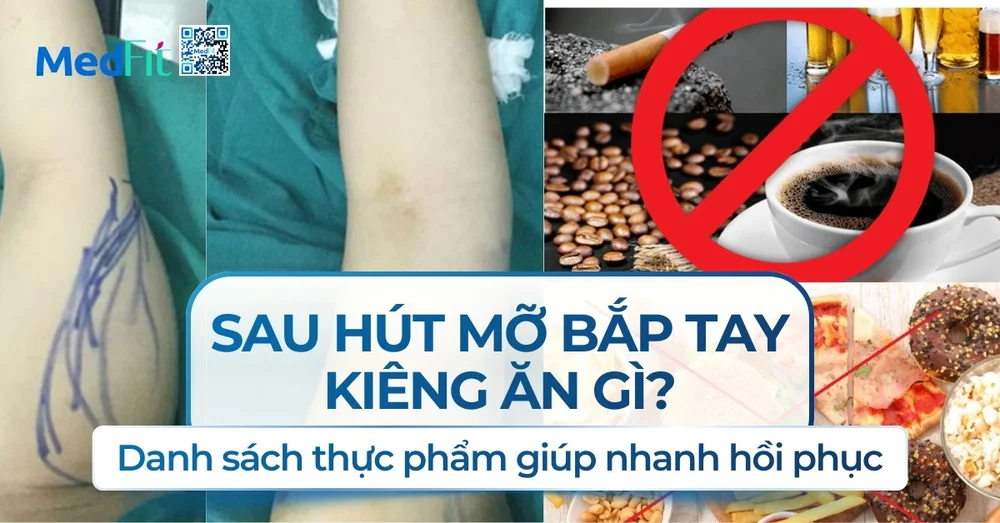
Your diet after arm liposuction plays a crucial role in determining recovery speed and the final appearance of the treated skin. The foods you consume daily not only affect inflammation and swelling, but also impact wound healing and the risk of scarring. To help your body recover quickly and maintain smooth, contoured results, MedFit shares a detailed guide on which foods to avoid and which nutrients to prioritize after arm liposuction.
- 1. How does nutrition affect recovery after arm liposuction?
- 2. What should you avoid eating after arm liposuction? Foods to stay away from
- 3. What should you eat after arm liposuction for faster recovery?
- 4. Besides diet, what else should you keep in mind for faster recovery after arm liposuction?
- 5. Are there alternatives to arm liposuction surgery?
How does nutrition affect recovery after arm liposuction?
Your body requires energy and nutrients to regenerate tissue, repair cells, and heal post-liposuction trauma. An improper diet can prolong swelling and increase the risk of wound inflammation, hyperpigmented scars, or keloids.
Conversely, a healthy diet rich in protein, vitamins, and minerals helps reduce swelling, minimize bruising, and accelerate recovery. Therefore, adjusting your nutrition appropriately is just as important as wound care or following your Doctor’s post-op instructions.
What should you avoid eating after arm liposuction? Foods to stay away from
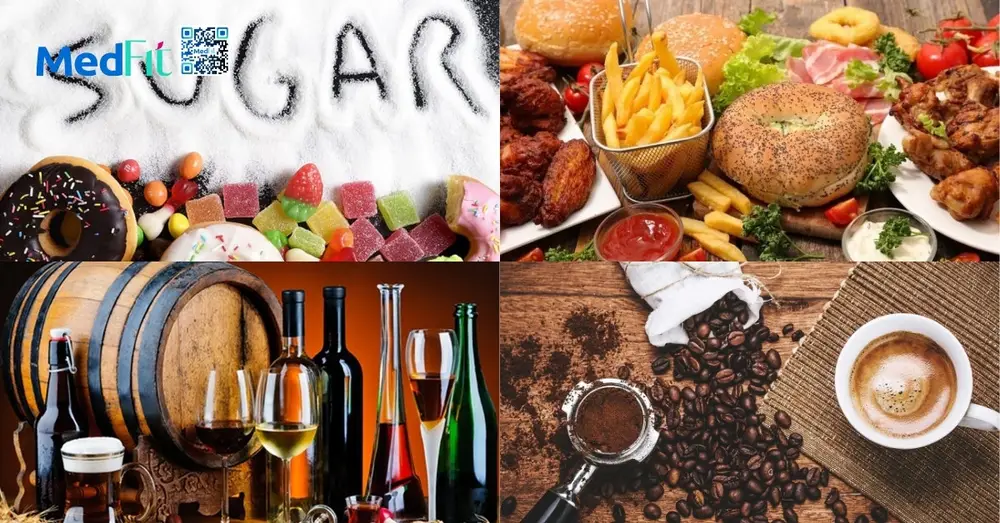
After arm liposuction, eliminating foods that trigger inflammation, water retention, or delayed healing is essential. Below is a list of food groups to avoid to minimize swelling and prevent unsightly scarring:
- High-sugar foods: pastries, soft drinks, candy, and processed foods containing refined sugar or artificial sweeteners easily trigger inflammation, slow tissue healing, and increase the risk of keloids and hypertrophic scars.
- High-sodium or processed foods: fast food, canned goods, sausages, cold cuts, potato chips, and snacks are high in sodium. Consuming too much salt causes water retention, prolonging swelling in the treated arms and slowing recovery.
- Fried foods and animal fats: deep-fried dishes, butter, animal lard, and organ meats can slow metabolism, cause bloating, and interfere with the drainage of inflammatory fluids after liposuction.
- Alcohol and alcoholic beverages: interfere with blood clotting, increase the risk of bruising and swelling, and impair tissue regeneration.
- Coffee and caffeinated beverages: excessive intake can cause dehydration, dry out the skin, and prolong the recovery process.
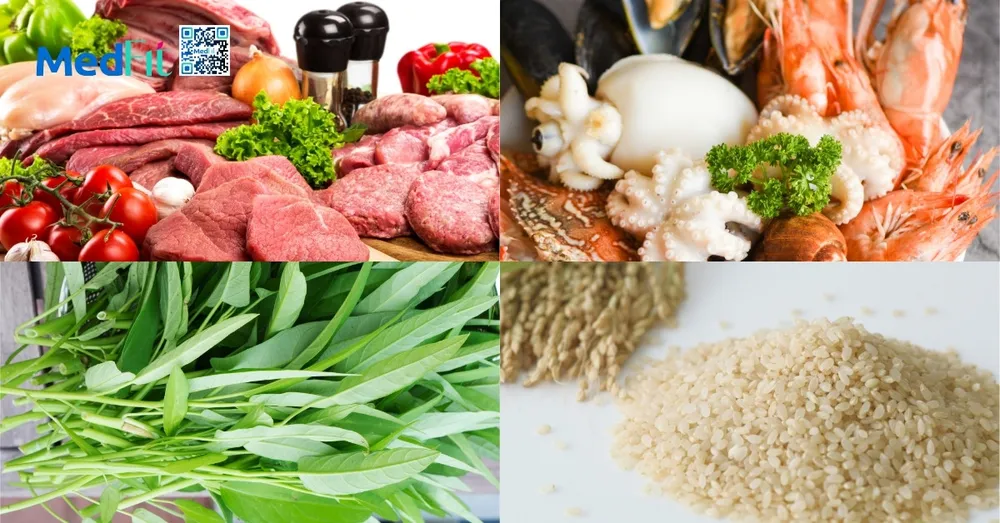
Many people still worry that eating beef, chicken, seafood, water spinach, or glutinous rice dishes will delay wound healing or cause scarring; however, to date, no scientific study has proven that these foods impair healing or cause keloids or hypertrophic scars. Scar formation depends primarily on individual predisposition, the extent of tissue trauma, surgical technique, and aftercare—not on eating these everyday foods.
According to a review from the article “Diet, wound healing and plastic surgery”, your diet after surgery needs increased protein, vitamins, and minerals, with meat in general (including beef and chicken) serving as a high-quality protein source that supports tissue regeneration, collagen formation, and faster recovery. Similarly, seafood provides zinc and omega-3 fatty acids to help reduce inflammation and promote wound healing.
As for water spinach, there is no medical evidence showing that it causes keloids. Keloid scarring is largely driven by individual genetics, wound location, skin tension, or improper aftercare rather than diet.
Therefore, after liposuction, you can safely eat beef, chicken, seafood, water spinach, and glutinous rice dishes, provided your body tolerates them well and you have no prior allergies. What matters most is maintaining a healthy diet rich in protein, vitamin C, vitamin A, zinc, and healthy fats to support comprehensive recovery.
What should you eat after arm liposuction for faster recovery?
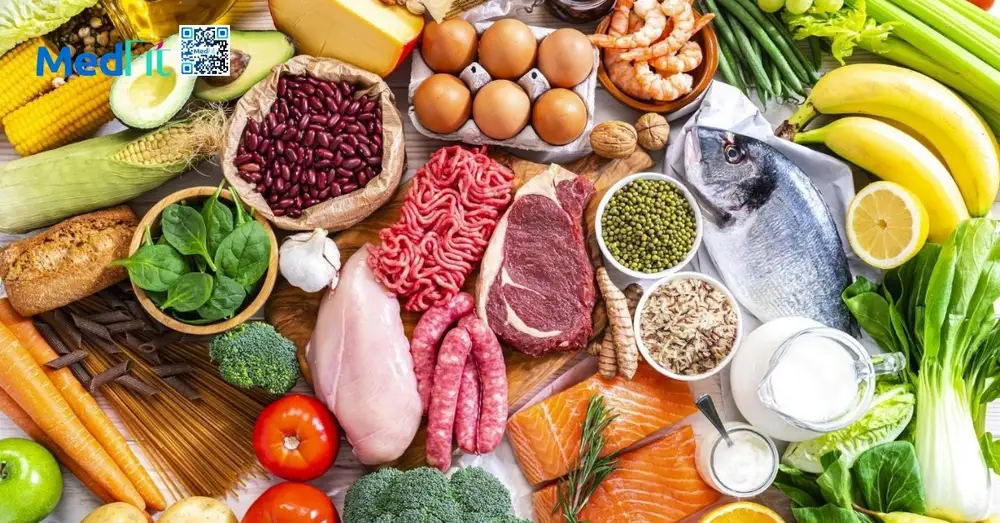
A balanced diet with adequate protein, vitamins, minerals, and healthy fats not only accelerates recovery, but also helps reduce swelling, minimize scarring, and maintain long-term slim contours. Below are the food groups to prioritize during this period:
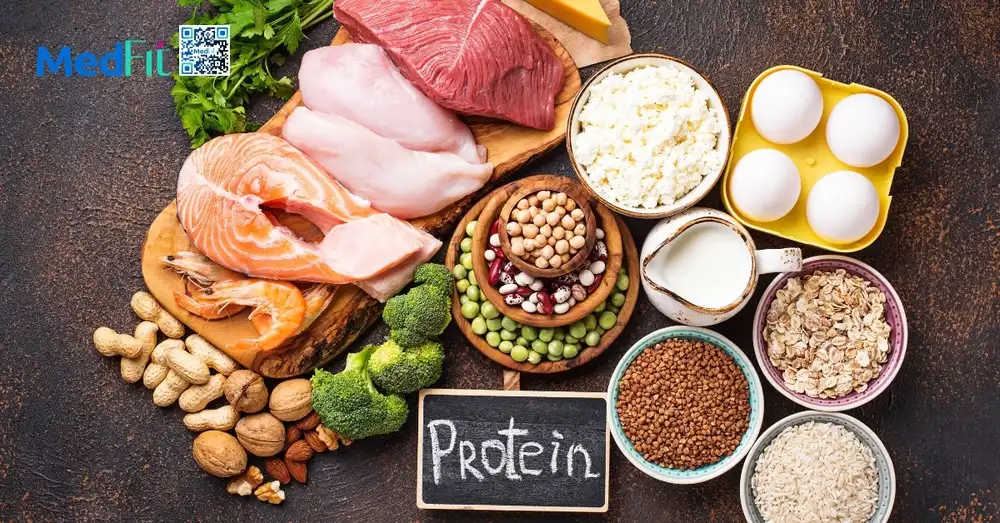
Lean protein-rich foods
Protein is the primary building block for tissue regeneration, repairing damaged areas, and stimulating collagen synthesis. Include chicken, fish, eggs, milk, soybeans, tofu, or legumes. In addition, chicken or fish bone broth also supplies natural collagen for the body.
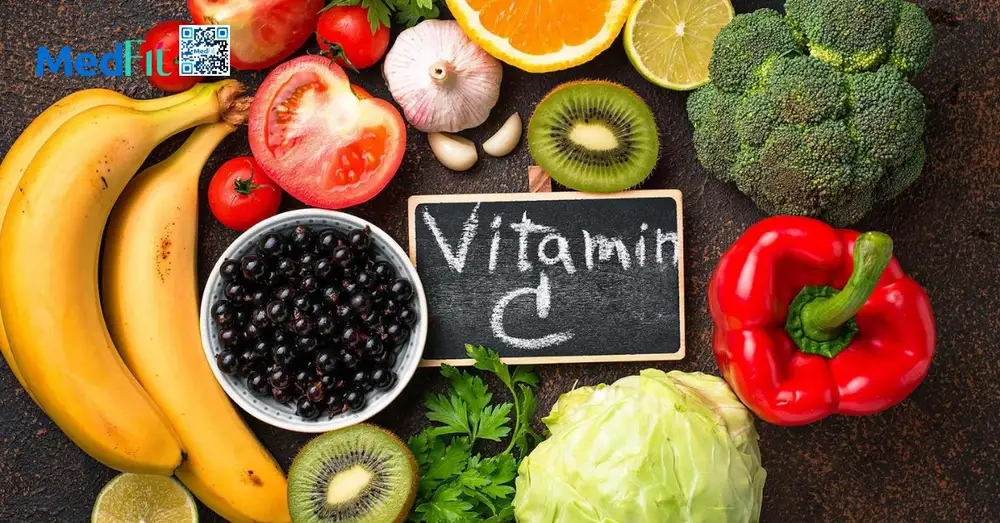
Vitamin C-rich foods
Vitamin C is essential for collagen formation and immune support, helping wounds heal faster and reducing post-inflammatory hyperpigmentation. Abundant sources of vitamin C include oranges, lemons, grapefruit, kiwi, strawberries, and tomatoes.
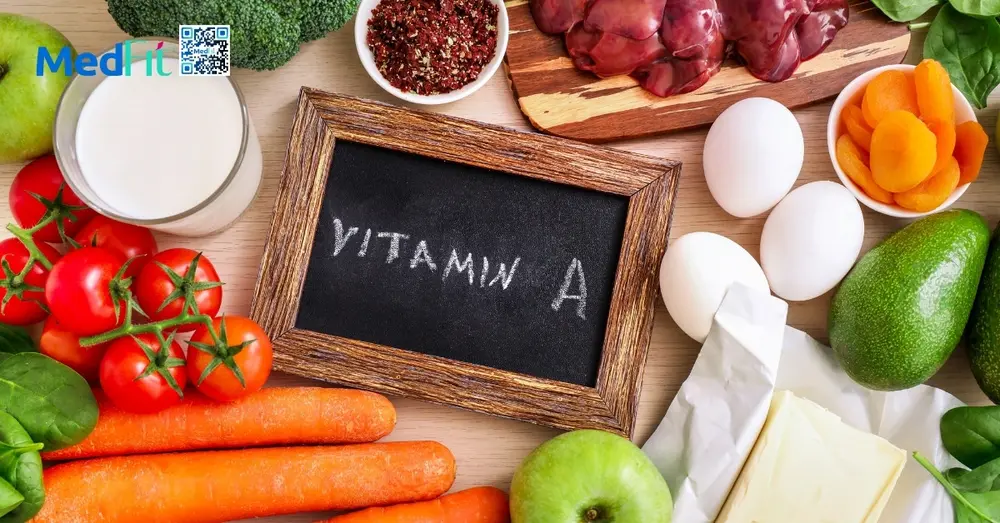
Vitamin A-rich foods
Vitamin A supports epithelial regeneration, helping the skin recover faster and appear smoother. Eat foods such as carrots, pumpkin, eggs, fish liver, dark leafy greens, papaya, or gac fruit.
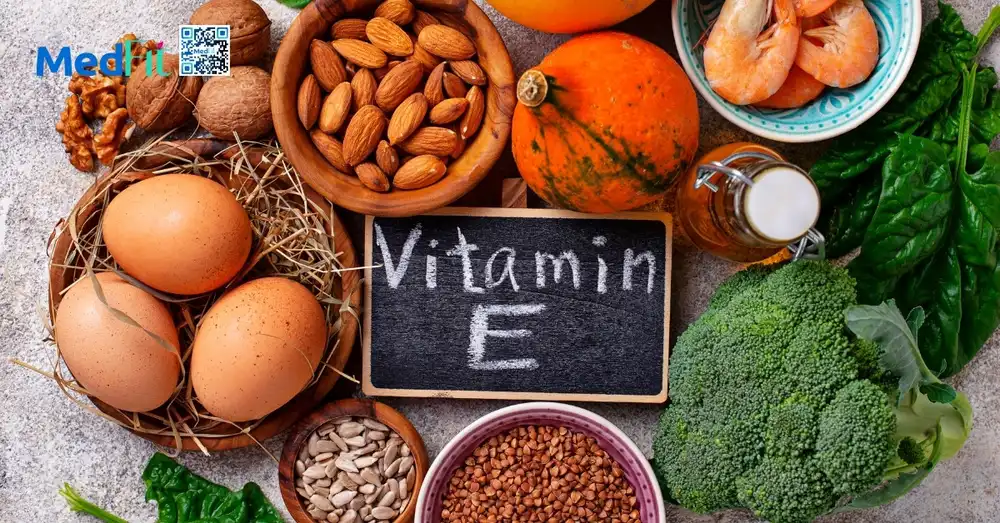
Vitamin E-rich foods
Vitamin E strengthens immunity, reduces inflammation, and protects cells from oxidative damage. You can obtain it from nuts and seeds such as almonds, sunflower seeds, and walnuts, or from olive oil and flaxseed oil.
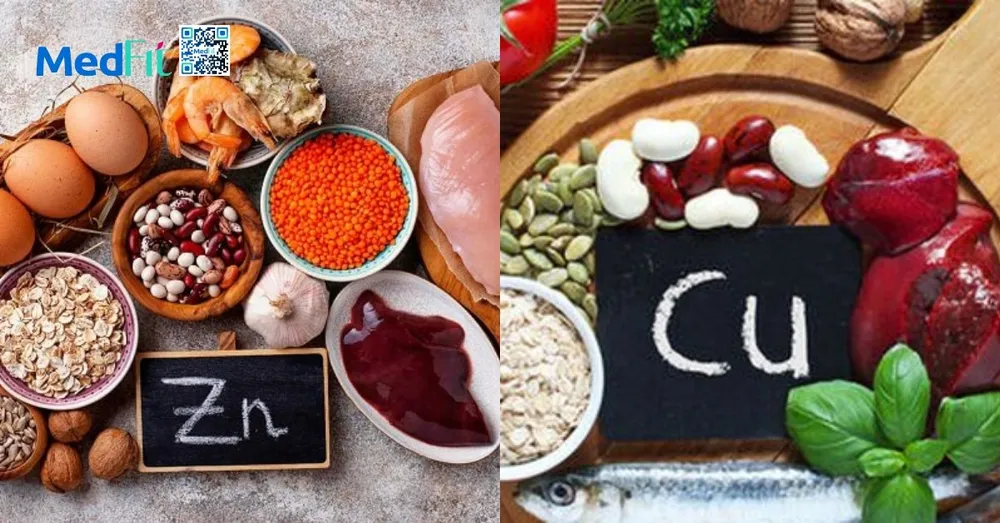
Foods rich in zinc and copper
Zinc plays a vital role in wound healing and collagen production, while copper supports the formation of strong collagen fibers. Both micronutrients are abundant in seafood, eggs, lean meats, oats, legumes, nuts, and seeds.
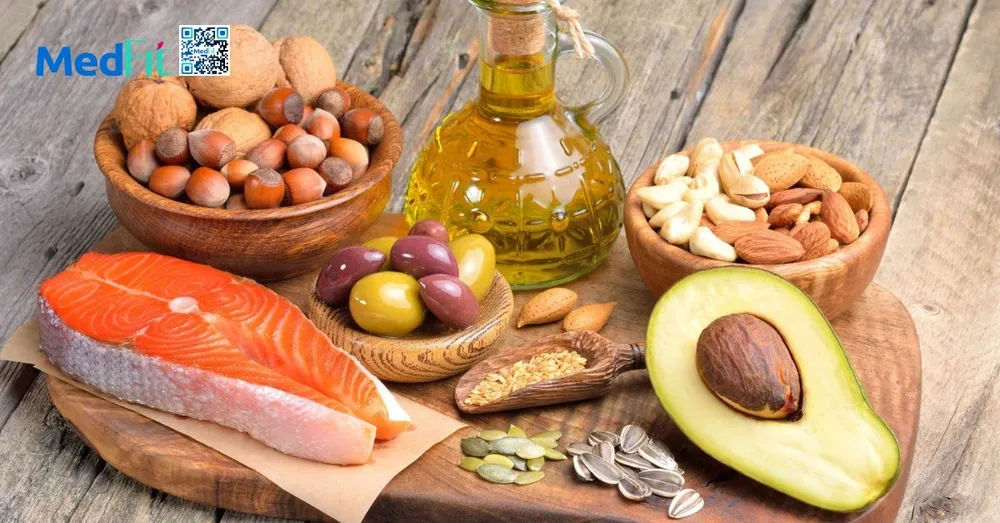
Monounsaturated and polyunsaturated fats
Found abundantly in olive oil, flaxseed oil, avocados, salmon, tuna, mackerel, chia seeds, walnuts, almonds, and sunflower seeds, these healthy fats not only support cardiovascular health but also balance energy, aid the absorption of fat-soluble vitamins, and maintain skin elasticity during post-liposuction recovery.
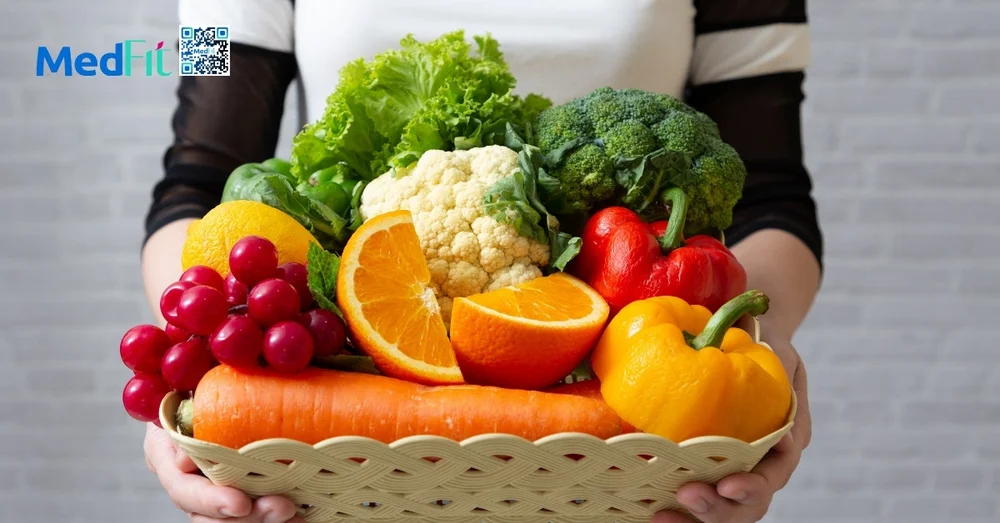
Leafy greens and fresh fruits
Dark leafy greens such as spinach, kale, and parsley, along with berries like blueberries and mulberries, provide antioxidant and anti-inflammatory benefits and support tissue healing.
In addition to eating nutrient-dense foods, portion control is equally important. Meal frequency does not directly affect recovery speed after liposuction; what matters more is total calorie intake and nutritional quality. Eating too many meals can easily push energy intake beyond your needs, leading to fat regain while your body is stabilizing its new contour.
Maintaining three balanced main meals a day is a safe choice that supports healthy metabolism. Each meal should prioritize lean protein, leafy greens, vitamin-rich fruits, and healthy fats to promote satiety, reduce inflammation, and speed up tissue repair.
Besides diet, what else should you keep in mind for faster recovery after arm liposuction?
Care after arm liposuction greatly impacts recovery speed and final aesthetic results. Alongside a healthy diet, pay attention to the following habits to help your body regenerate quickly and reduce swelling effectively:
- Stay well hydrated: drinking enough water improves blood circulation, helps flush out inflammatory fluids, and reduces swelling. Choose plain water or fresh fruit juice, and add a few slices of lemon or fruit if desired to make it easier to drink.
- Get adequate rest: your body needs time to regenerate tissue and restore energy. During the first few weeks, get enough sleep, avoid staying up late, and limit strenuous activities. Proper rest helps wounds heal faster and lowers the risk of bruising.
- Engage in light walking: after a few days, you can begin gentle movement with slow walks to stimulate blood circulation, prevent fluid accumulation, and ease swelling. Avoid high-intensity exercise or heavy lifting until cleared by your Doctor.
- Keep your mind relaxed: stress can interfere with healing and disrupt hormonal balance. Give yourself time to rest, listen to music, read, or enjoy light relaxing activities.

Are there alternatives to arm liposuction surgery?
For those hesitant about surgical intervention, there are now many fat reduction options for the upper arms that are safe and require no downtime. These approaches all aim to reduce localized fat, improve skin firmness, and support collagen regeneration.
At MedFit, these methods are applied in combination to deliver visible results for the upper arms, abdomen, thighs, and full body.
Contoura: RF technology for next-generation fat reduction and skin tightening
Contoura is a non-invasive technology combining multipolar RF energy, vacuum suction, and high-voltage electrical pulses to target deep subcutaneous fat layers. This mechanism disrupts stubborn fat cells while stimulating collagen proliferation, improving skin elasticity and surface firmness. Contoura is especially suitable for the abdomen, thighs, buttocks, and upper arms. It is FDA-cleared for safety and widely used across many countries.
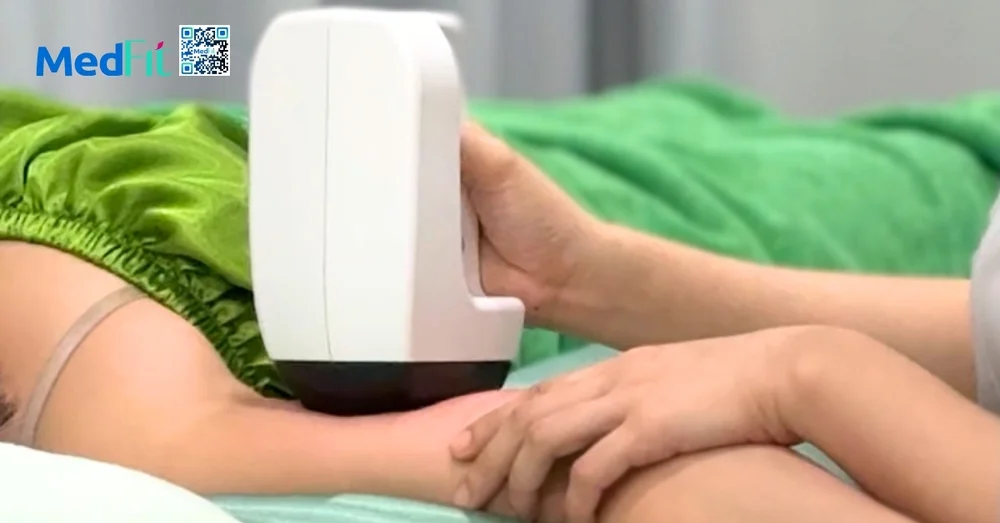
Morpheus8: fat reduction combined with skin remodeling
Morpheus8 combines RF energy with a microneedling system to deliver energy deep into the subdermal layers. RF energy breaks down fat cells, while microneedling stimulates tissue remodeling and collagen synthesis, leaving the skin firmer and smoother.
Developed by InMode, an aesthetic medical device manufacturer in Israel, and cleared by the U.S. FDA, Morpheus8 is used for the abdomen, thighs, arms, and face, making it ideal for those seeking both fat reduction and skin quality improvement.
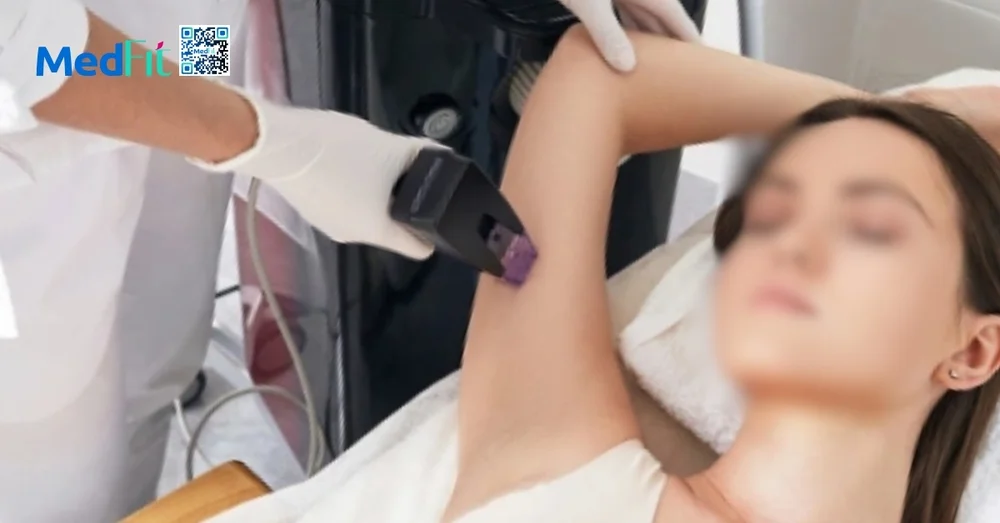
Evolve X: comprehensive fat reduction, muscle toning, and skin tightening
Evolve X is a non-invasive body contouring system that uses RF energy combined with EMS electrical pulses to stimulate muscle contractions and increase energy expenditure. As a result, the treated area experiences both fat reduction and improved muscle tone, noticeably improving upper arm laxity. This technology is also widely used for the postpartum abdomen with diastasis recti, helping flatten the abdomen without lengthy downtime—making it ideal for busy individuals.
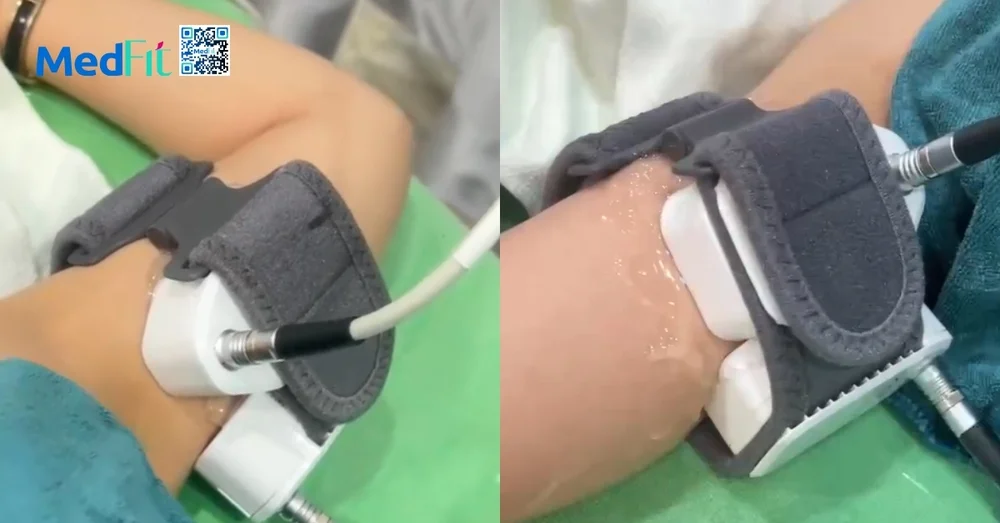
Lipolytic injections for arm fat reduction
This method uses active ingredients such as phosphatidylcholine (PPC) or deoxycholate (DC) to disrupt fat cell membranes, liquefying fat so it is gradually eliminated through the lymphatic system. Other supporting active compounds such as aminophylline or yohimbine may be combined to enhance lipolysis. This is a suitable option for small localized fat pockets when you want slimmer arms without devices or surgery.
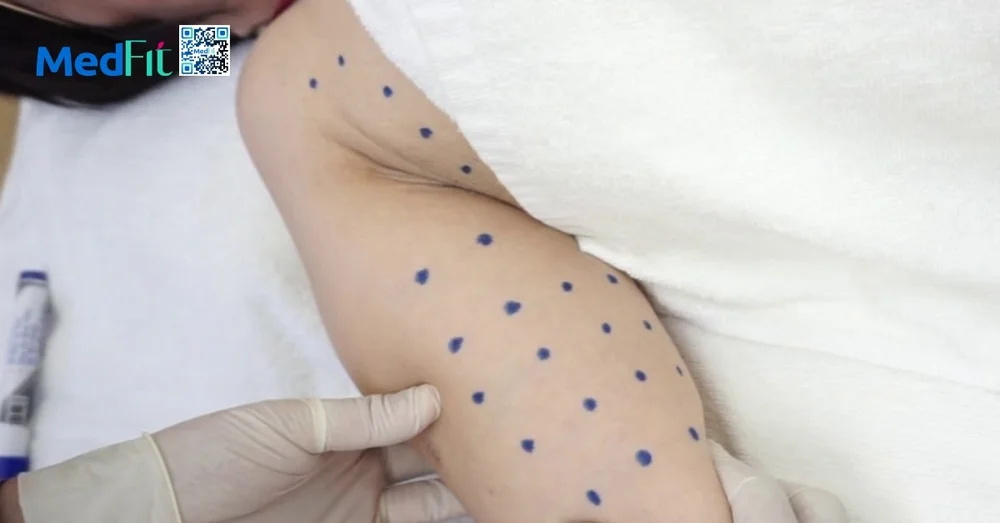

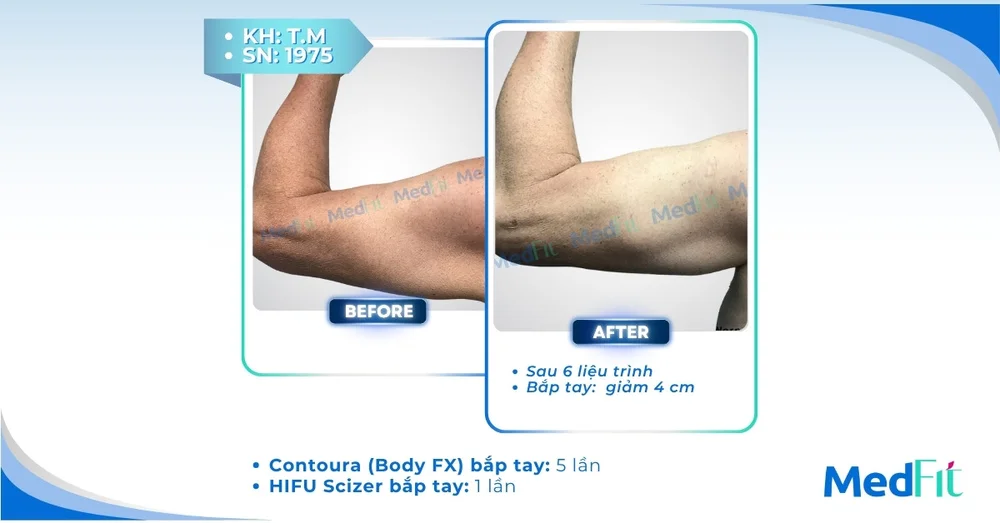
Pricing for upper arm fat reduction treatment courses at MedFit
| Treatment course | Unit | Price | First-timetrial price |
| Contoura (BodyFX) Abdomen | session | 5,000,000 VND | 2,500,000 VND |
| Contoura (BodyFX) Waist / Flanks | session | 3,000,000 VND | 1,500,000 VND |
| Contoura (BodyFX) Upper Back | session | 4,000,000 VND | 2,000,000 VND |
| Contoura (BodyFX) Upper Arms | session | 4,000,000 VND | 2,000,000 VND |
| Contoura (BodyFX) Thighs | session | 5,000,000 VND | 2,500,000 VND |
| Contoura (BodyFX) Calves | session | 5,000,000 VND | 2,500,000 VND |
| Lipolytic injections | mL | 500,000 VND | 250,000 VND |
| EMS Evolve X Abdomen | session | 5,000,000 VND | 500,000 VND |
| EMS Evolve X Upper Arms | session | 3,000,000 VND | 300,000 VND |
| EMS Evolve X Thighs | session | 4,000,000 VND | 400,000 VND |
| EMS Evolve X Calves | session | 3,000,000 VND | 300,000 VND |
| EMS Evolve X Buttocks | session | 5,000,000 VND | 500,000 VND |
| Morpheus8 body * | session | 12,000,000 VND | 10,000,000 VND |
| * Tip for Morpheus8 treatment course | tip | 3,000,000 VND | 3,000,000 VND |
In summary, after arm liposuction, you should avoid foods that easily promote inflammation and fat accumulation, such as fried foods, sugary or salty dishes, alcohol, and coffee. Prioritize protein and vitamins to help your body recover quickly and keep your skin firmer and more even-toned. If you are not ready for liposuction surgery, MedFit also offers many modern non-invasive fat reduction technologies to help slim and firm the upper arms naturally. Contact MedFit for a Doctor consultation on a tailored protocol for a healthier, more sculpted, and balanced physique.
References
- Rosa DF, Sarandy MM, Novaes RD, da Matta SLP, Gonçalves RV. Effect of a high-fat diet and alcohol on cutaneous repair: A systematic review of murine experimental models. PLoS ONE. 2017 May;12(5):e0176240. doi: 10.1371/journal.pone.0176240
- Donejko M, Przylipiak A, Rysiak E, Głuszuk K, Surażyński A. Influence of caffeine and hyaluronic acid on collagen biosynthesis in human skin fibroblasts. Drug Des Devel Ther. 2014 Oct 15;8:1923-8. doi: 10.2147/DDDT.S69791
- Panse N, Sathe V, Sahasrabudhe P, Joshi N. Diet, wound healing and plastic surgery. Indian J Plast Surg. 2013 Jan;46(1):161-3. doi: 10.4103/0970-0358.113748
- American Society of Plastic Surgeons. Best foods to eat after liposuction. [online] Available at: https://www.plasticsurgery.org/news/blog/best-foods-to-eat-after-liposuction [Accessed 09 December 2025]
- Memorial Plastic Surgery. What to eat after liposuction. [online] Available at: https://memorialplasticsurgery.com/what-to-eat-after-liposuction/ [Accessed 09 December 2025]
- Gupta M, Mahajan VK, Mehta KS, Chauhan PS. Zinc therapy in dermatology: a review. Dermatol Res Pract. 2014;2014:709152. doi: 10.1155/2014/709152
- Panse N, Sathe V, Sahasrabudhe P, Joshi N. Diet, wound healing and plastic surgery. Indian J Plast Surg. 2013 Jan;46(1):161-3. doi: 10.4103/0970-0358.113748
- Cleveland Clinic. Nutrition Guidelines to Improve Wound Healing. [online] Available at: https://my.clevelandclinic.org/departments/heart/patient-education/recovery-care/general/nutrition [Accessed 09 December 2025]
- WebMD. Healthy Foods High in Collagen. [online] Available at: https://www.webmd.com/diet/collagen-health-benefits [Accessed 09 December 2025]
- eMedicine Surgery. Scar Revision. [online] (if available — PDF or web version). I found an article about “Scar revision / scar treatment” on Medscape/PMC at the URL: https://pmc.ncbi.nlm.nih.gov/articles/PMC3996787/ [Accessed 09 December 2025]